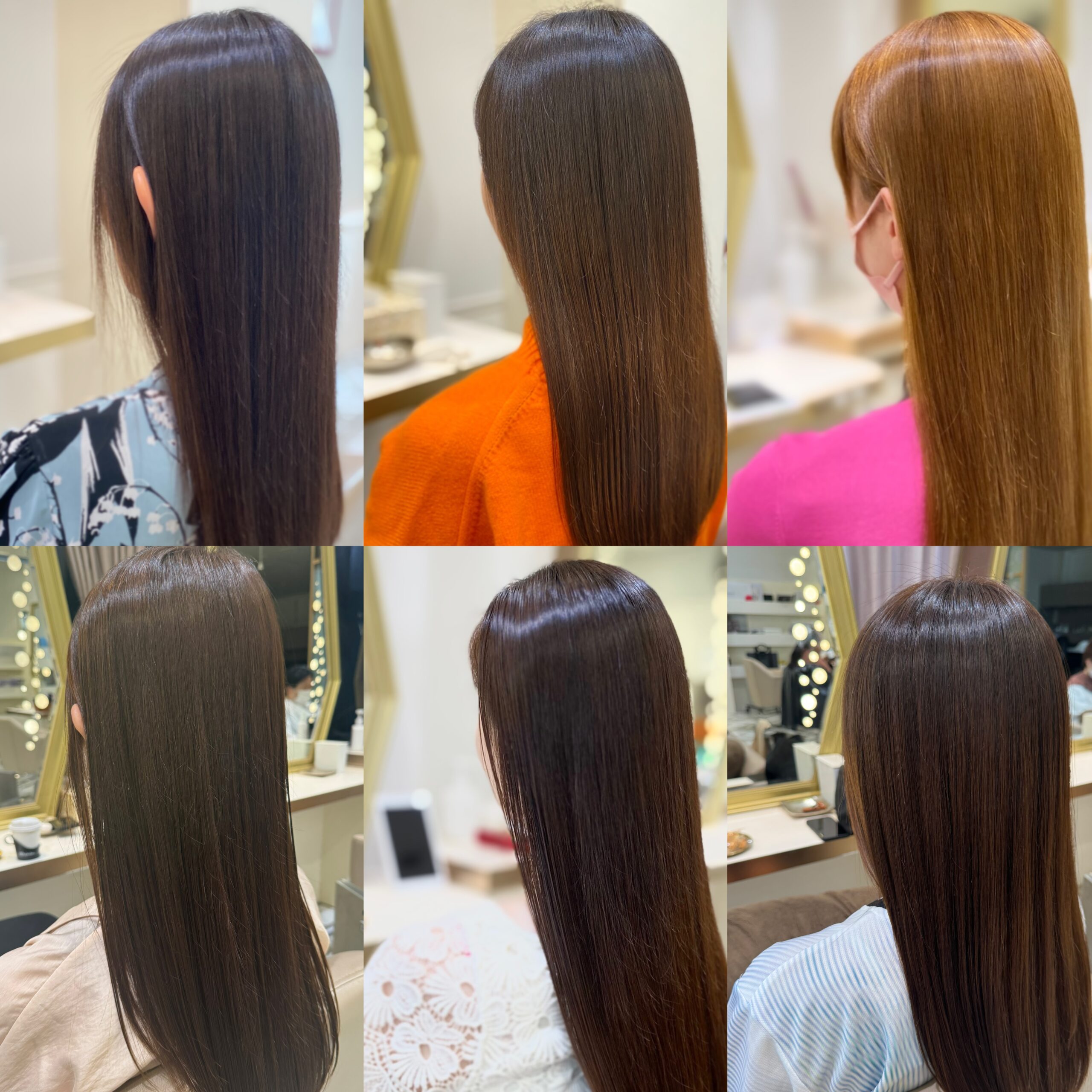
When you’ve been cutting and treating hair for 25 years, patterns start to emerge.
You see the same mistakes repeated across thousands of clients. You notice what actually changes someone’s relationship with their hair — and what doesn’t. You learn to read a person’s hair history from the condition of their ends. You get better at the conversation before the scissors ever come out.
Here’s what 30,000 clients have taught me.
1. The Consultation Is the Most Important Part of the Appointment
Most clients think the result depends on the cut or the treatment. It does — but only after the consultation.
A bad consultation produces a bad result no matter how skilled the stylist is. A good consultation makes everything easier — the stylist knows what they’re working toward, the client knows what to expect, and there’s a shared understanding before anything irreversible happens.
The best consultations I’ve had are conversations, not interviews. The client tells me about their life — how much time they spend on their hair in the morning, what their hair does in humidity, what their last stylist did that they loved and what they never want again. From that conversation, I can usually make better decisions than from any photo.
The worst consultations are the ones that don’t happen — where the client points at a picture and the stylist starts cutting. Those are the appointments that end in disappointment, on both sides.
If a stylist rushes your consultation or skips it entirely, that’s a signal worth paying attention to.
2. Most People Are Using the Wrong Shampoo
This is the single most common finding across 30,000 clients.
The hair care industry sells the idea that you need different products for different results — volume, shine, frizz control, color protection. Most of these products achieve their effects by coating the hair shaft with silicone. It feels good immediately. It looks good for a few washes. Then the buildup accumulates, the hair gets heavier, and the person buys a new product to solve the problem the first product created.
The pattern I see most often: a client comes in with hair that feels coated, heavy, and dull. They’ve tried five or six different products. None of them are working anymore. The issue isn’t their hair — it’s the product history.
The answer, in almost every case, is simpler than people expect: an amino acid-based, silicone-free shampoo, used consistently. The hair quality improves over weeks and months as the buildup clears and the hair’s natural moisture balance is restored.
I’ve been recommending this approach for years. The clients who follow it consistently always notice a difference. The ones who go back to their old shampoos always come back with the same problems.
3. Home Care Determines 60% of the Result
I can do excellent work in the chair. But if the home care is wrong, the result will deteriorate within weeks — and the client will blame the treatment.
After a straightening session, the right shampoo makes the result last months longer. The wrong shampoo — specifically one with silicone — starts reversing the softness of the result almost immediately.
After a color treatment, the right home care preserves vibrancy and condition. The wrong routine fades color fast and leaves the hair feeling rough.
The treatment is the foundation. Home care is everything built on top of it.
I spend more time on home care recommendations than most stylists do. Not because I want to sell products — I don’t sell products — but because I’ve seen too many good results ruined by a bad shampoo.
4. People Wait Too Long Between Appointments
The most common thing I hear when a client sits down: “I know, I should have come sooner.”
Hair deteriorates gradually, and people adapt to it. The dryness that crept in over three months becomes the new normal. The ends that needed a trim two months ago have now split and traveled up the shaft. The straightening result that was beautiful at week four is now rough and heavy at week sixteen.
The clients whose hair I’m proudest of are the ones who come in before things go wrong, not after. Regular appointments — at the right interval for their specific hair — mean I’m always working with hair in good condition. The results compound over time.
The interval varies by person. For some, every three months is right. For others, every five or six months. The interval should be based on your hair type, growth rate, and what you’re maintaining — not on how long you can go before it becomes a problem.
5. Damage Is Cumulative — and So Is Recovery
Every chemical process, every heat styling session, every night of sleeping on a rough pillowcase adds up. Hair doesn’t reset between appointments. The condition of your hair today is the result of everything that’s happened to it over the past few years.
This is why I take hair history seriously. A client who bleached their hair twice four years ago and has been growing it out since has different hair from a client who has never chemically treated their hair, even if they’re both sitting in front of me with hair that looks similar.
The good news is that recovery is also cumulative. Consistent home care, appropriate treatment intervals, and avoiding unnecessary damage add up over time. Some of my longest-term clients have hair that is genuinely in better condition now than it was five years ago — not just maintained, but improved.
Hair doesn’t have to get worse with age. With the right approach, it gets better.
6. The Stylist Matters More Than the Product or the Technique
I’ve worked with dozens of different straightening products over 25 years. I’ve seen the same product produce excellent results in skilled hands and disaster in inexperienced ones.
The formula is a tool. The technique is what determines the outcome.
What makes the difference is the ability to read hair — to assess porosity, elasticity, damage level, and how a particular head of hair is likely to respond to a particular formula and timing. This isn’t something you learn from a manufacturer’s instructions. It comes from working with thousands of different heads of hair and paying attention to what happens.
I still learn things from clients. A head of hair that behaves unexpectedly teaches me something. A result that surprises me — good or bad — gets filed away and informs the next decision. After 30,000 clients, I’m still paying attention.
7. Most Hair Problems Are Solvable — but Not Always Immediately
Clients often come to me expecting a single appointment to fix a problem that has been building for years. Sometimes that’s possible. Often it isn’t.
Severely damaged hair needs recovery time before it can be treated. Hair that has been over-processed through repeated bleaching or chemical treatments may need several appointments and months of careful home care before it’s ready for what the client ultimately wants.
The honest answer is sometimes “not yet” — and a good stylist will say that rather than proceeding with a treatment that isn’t appropriate yet. The clients who’ve been with me the longest have trusted that honest answer. The results have been better for it.
8. The Relationship Compounds
The first appointment with a new client is always the hardest. I don’t know their hair. They don’t know how I work. We’re both making decisions with incomplete information.
By the third appointment, I know how their hair behaves. I know what they like and don’t like. I know how they describe things. I know what their hair looked like after three months and after six months and after they changed their shampoo.
By the tenth appointment, the decisions are almost intuitive. The consultation is still a conversation, but it’s a conversation between people who know each other. The results keep getting better because the foundation keeps getting deeper.
This is what I mean when I say I think about hair long-term. A single excellent appointment is satisfying. A relationship over years, where the hair genuinely improves and the client genuinely understands their own hair better, is what I’m actually working toward.
One More Thing
The clients whose hair I remember most clearly aren’t always the ones with the most dramatic transformations. Some of the most meaningful appointments have been with people who came in feeling like their hair was unfixable — and left understanding that it wasn’t.
Hair is personal. It affects how people feel about themselves in a way that few other things do. Getting it right matters.
After 30,000 clients, that’s still what I’m trying to do.
Book an Appointment
💬 WhatsApp (+81 80 9707 7119) or Instagram DM 📸 Instagram: @kenji_ginza_nhd 🕙 Yokohama sessions: Mondays, 9:00–18:30 🕙 Tokyo sessions: Tuesday–Sunday, 9:00–18:30
Send me a photo of your current hair and tell me what you’re hoping for. I’ll respond within 24 hours with an honest assessment — before you commit to anything.


コメント