※本記事にはアフィリエイトリンクが含まれます。Amazonのアソシエイトとして、当サイトは適格販売により収入を得ています。 / As an Amazon Associate, I earn from qualifying purchases.
hair straightening has become one of the most requested services at Japanese salons over the last several years — and for good reason.
But if you’re researching it for the first time, the amount of information out there can be overwhelming. This guide covers everything clearly, from the chemistry to the process to what you should ask before you book.
What Is hair straightening?
hair straightening (縮毛矯正) is a modern hair straightening method that uses low-pH (acidic) chemicals rather than the high-pH (alkaline) chemicals used in traditional Japanese straightening.
The difference in pH changes everything about how the treatment works:
Traditional alkaline straightening: High pH opens the hair cuticle aggressively, allowing chemicals to penetrate quickly. It’s effective — but it strips protein and moisture from the hair in the process, often leaving hair stiff, dry, and prone to breakage over time.
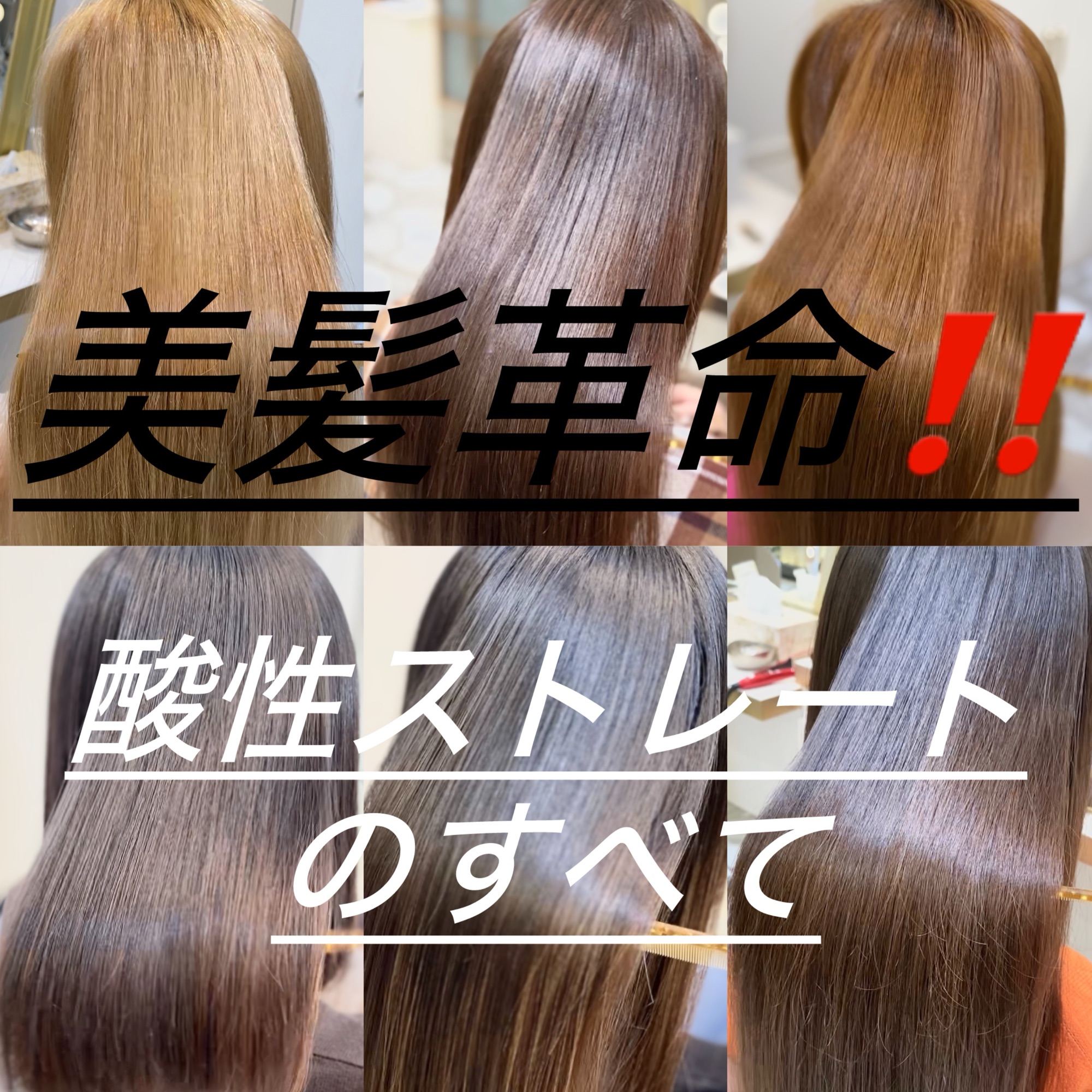
hair straightening: Low pH works more gently, allowing the chemicals to penetrate without forcing the cuticle open as aggressively. The result is smoother, softer hair — with noticeably less damage. The natural texture of the hair is preserved better, which means the finish looks and feels more natural.
How hair straightening Works: Step by Step
Here’s exactly what happens during an hair straightening session:
Step 1: Consultation Before anything is applied, I examine your hair — its current condition, texture, thickness, color history, and any previous chemical treatments. This is the most important step. The chemical selection and technique are customized to your specific hair, not applied the same way to everyone.
Step 2: Pre-wash (Pre-out) The hair is thoroughly cleansed to remove silicone buildup, styling product residue, and oxidized lipids from the scalp. This step significantly improves how well the straightening chemical penetrates — skipping it reduces effectiveness.
Step 3: Chemical application The hair straightening formula is applied to the hair. Because the pH is lower and the chemical is gentler, it takes longer to penetrate than alkaline straightening — typically 30–40 minutes. For hair with varying levels of damage, different formulations are applied to different sections.
Step 4: Mid-process rinse The chemical is rinsed out thoroughly. At this stage, I also apply keratin protein, collagen, and lipid treatments internally to the hair — this replenishes what the chemical process removes and minimizes heat damage in the next step.
Step 5: Heat processing After applying a light hair oil, the hair is blowdried and then treated with a flat iron. The heat reshapes the internal structure of the hair into a straight form. The temperature, pressure, and speed of the iron pass matter enormously here — this is where technique separates good results from great ones.
Step 6: Second chemical (fixative) A hydrogen peroxide solution is applied to complete the chemical reaction and lock the straightened shape into the hair’s structure permanently.
Step 7: Final rinse and finish The hair is rinsed and finished with an external conditioning treatment. At this point the transformation is complete.
Total session time: approximately 3–4 hours depending on hair length and condition.
Pros and Cons — The Honest Version
Advantages:
✅ Significantly less damage than alkaline straightening ✅ Soft, natural-looking result — not stiff or artificial ✅ Suitable for color-treated and bleached hair in most cases ✅ Results last as long as traditional straightening ✅ Works well in humidity — one of the main reasons clients in Japan choose it ✅ Natural movement and softness are preserved
Disadvantages:
⚠️ Session time is longer than alkaline straightening (3–4 hours vs 2–3 hours) ⚠️ Cost is higher — typically ¥25,000–¥35,000 depending on hair length ⚠️ Requires an experienced stylist — the gentler chemical means technique matters more, not less ⚠️ Not suitable for severely damaged hair without careful assessment first
After-Care: What to Do at Home
How you care for your hair after the treatment has a significant impact on how long the results last and how your hair feels day to day.
Shampoo and conditioner: Use an amino acid-based, silicone-free shampoo. Silicon builds up on straightened hair over time and weighs it down, dulling the result.
Recommended: SBCP Raw Mineral Shampoo & Treatment — amino acid formula, suitable for straightened and chemically treated hair.
Weekly deep treatment: Once a week, use a hair mask to restore moisture and protein.
Recommended: SBCP Raw Mineral Hair Mask
Before blowdrying: Always apply a heat-protective hair oil before using any heat tools.
Recommended: Kérastase Huile Chronologiste
Salon treatment every 2–3 months: Straightened hair gradually loses moisture and protein over time. A keratin-based in-salon treatment every 2–3 months significantly extends the life of your straightening result and restores softness.
Blowdryer: For maintaining moisture and shine during daily drying, the Bioprogramming Repronizer 4D Plus is the best I’ve used.
Who Is hair straightening Suitable For?
✅ Anyone with natural curl, wave, or frizz who wants smooth, manageable hair ✅ Those with color-treated or bleached hair (case by case — consultation required) ✅ Clients who have tried traditional straightening and found the result too stiff ✅ Aging hair — hair that has become wavy, dry, or frizzy with age responds extremely well ✅ Those who want to combine color and straightening in the same session ✅ Anyone who has had bad experiences with straightening at other salons
Who should consult carefully first: Hair that has been bleached multiple times or is severely damaged requires extra assessment. In most cases treatment is still possible — but the approach needs to be adjusted accordingly.
What Makes the Difference Between Good and Great Results
hair straightening is not a product. It’s a technique.
The same chemical formula will produce completely different results depending on:
- How the hair is assessed before application
- Which formula is selected for each section of hair
- How the chemical is applied and how long it’s left
- The temperature, angle, and speed of the flat iron
- How the hair is finished and conditioned afterward
This is why the stylist matters more than the salon. A junior stylist using hair straightening chemicals will not get the same result as someone with 20+ years of experience reading and treating different hair types.
✂️ Kenji’s Recommended Home Care Products SBCP Raw Mineral Shampoo & TreatmentBest post-straightening shampoo · silicone-free Amazon → Kérastase Huile Chronologiste Hair OilPre-blowdry heat protection & shine Amazon → SBCP Raw Mineral Hair MaskWeekly deep treatment for damaged hair Amazon → * These are products I personally use and recommend to clients. Links are Amazon affiliate links. Book an Appointment
💬 Contact me directly via WhatsApp (+81 80 9707 7119) or Instagram DM 📸 Instagram: @kenji_ginza_nhd 🕙 Hours: 8:30 – 18:30 (Yokohama: Mondays & 1st/3rd Thursdays / Tokyo: Tue–Wed, Fri–Sun + 2nd & 4th Thursday)
I respond within 24 hours. Feel free to send a photo of your hair — I’ll give you an honest assessment before you book.
コメント